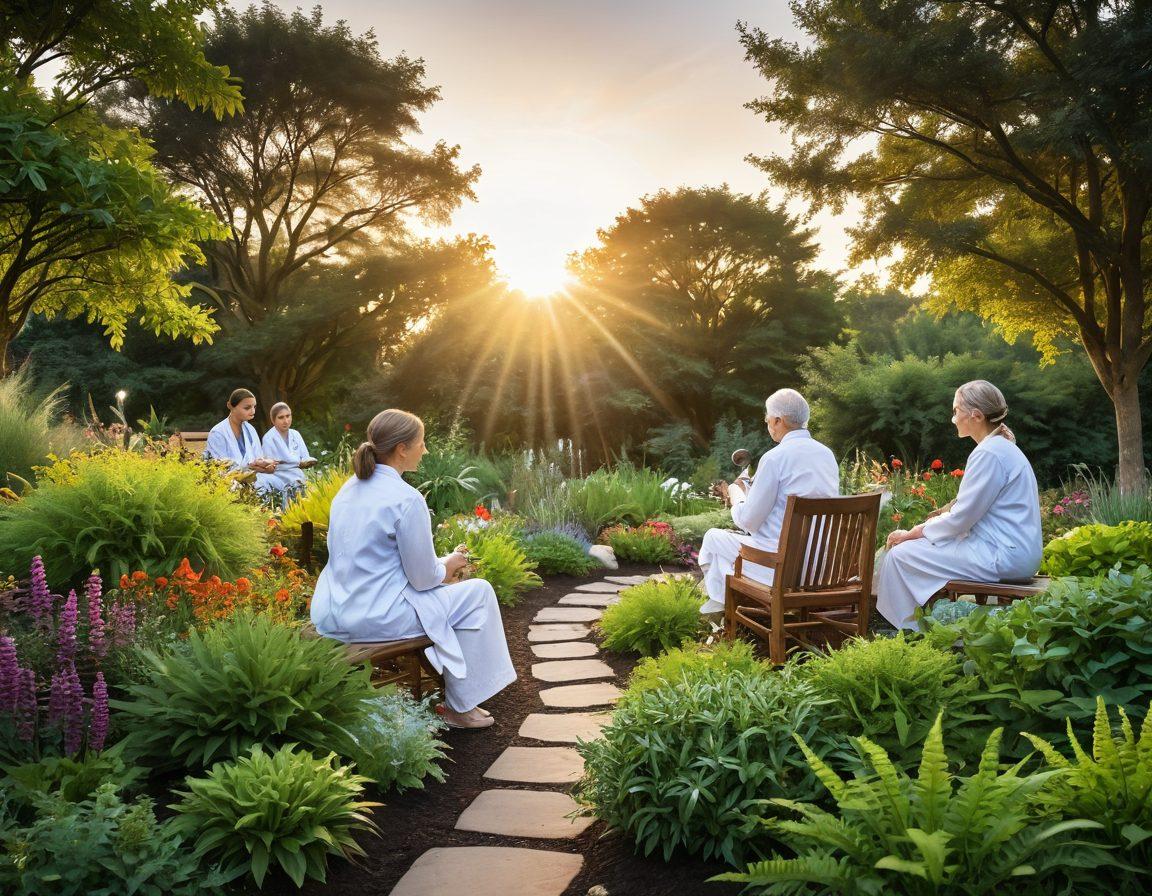
Empowering Warriors: Navigating Cancer with Lifestyle, Support, and Awareness
When it comes to battling cancer, warriors are often depicted with swords and shields, but the true arsenal lies within the choices they make every single day. Cancer journeys, regardless of the malignancy type, are rife with uncertainty and challenges. However, harnessing the power of lifestyle choices can significantly affect not just survival rates but overall quality of life. How can lifestyle choices modify the course of a cancer journey? Can adopting healthier habits become a form of self-care that empowers both patients and caregivers?
The world of oncology is consistently evolving, presenting patients with numerous options like chemotherapy, radiation therapy, and immunotherapy. Yet, many overlook the profound impact of diet and exercise—two of the most accessible and potent tools in the fight against cancer. Research indicates that a balanced diet rich in whole foods can enhance the immune system and potentially improve tumor responses to treatments. Have you ever explored how specific foods might act as nature's medicine, strengthening your body against the side effects of chemotherapy or other medical interventions?
A journey through cancer isn't just about medical procedures and hospital appointments; it is also deeply emotional. Mental health often takes a backseat in the hustle of treatment, but it is equally crucial. Engaging in physical activity has been shown to relieve stress, increase energy levels, and boost overall well-being, even during intensive periods such as undergoing chemotherapy. “Exercise is a celebration of what your body can do, not a punishment for what you ate.” How can incorporating physical activity into daily routines serve as a powerful coping strategy?
Advocacy and education are also vital components of navigating cancer journeys. Being informed about early detection, screening methods, and potential clinical trials can make a substantial difference. The power of community support cannot be overstated; sharing survivor stories and resources enables patients and their loved ones to connect, learn, and thrive together. Are you ready to be an advocate for yourself or a loved one, tapping into the wealth of information available for better decision-making?
Finally, the value of self-care and holistic health should never be underestimated. It’s about finding balance amidst the chaos, focusing on mental, emotional, and physical health, and allowing space for palliative care when needed. Fundraising efforts, community engagements, and compassionate healthcare can create environments that foster healing. With so much progress in cancer care, can we collectively shift the narrative from just surviving to also thriving? Tell us how you or someone you know has embraced these lifestyle choices and supported others during their cancer journey.
Building a Supportive Community for Cancer Warriors: Strategies and Resources
When facing the towering mountain that is cancer, the journey often feels isolating and overwhelming. However, amidst the turbulence of oncology appointments and the daunting specter of tumor malignancies, community can be a beacon of hope. Building a supportive community for cancer warriors is essential for fostering survivorship and resilience. It offers spaces for patient support and the sharing of survivor stories that ignite inspiration, empowering individuals to navigate their unique battles with strength and purpose. So, how can we create and nurture these communities that serve as lifelines during the tumultuous journey of cancer treatment?
Let’s start by understanding the various strategies for creating a network of support. This could involve organizing community support groups where patients, caregivers, and advocates come together to share experiences and coping strategies. These intimate gatherings allow individuals to bond over mutual challenges faced during treatment, such as chemotherapy, radiation therapy, or immunotherapy. As one cancer survivor aptly put it, "When we share our struggles, we lift each other up." This sentiment encapsulates the core of building solidarity - it transforms vulnerability into strength, nurturing emotional well-being.
Additionally, leveraging technology can expand the reach of support networks beyond geographical boundaries. Virtual support groups utilizing platforms like Zoom or social media create an inclusive environment for sharing information about health education and updates on cancer awareness. Moreover, online platforms allow for discussions around alternative medicine and holistic health, guiding patients to explore complementary therapies alongside conventional treatments. Could a virtual community be the key to breaking the isolation often felt by warriors during their treatment?
Furthermore, educating individuals about early detection through screening and understanding risk factors is paramount in cultivating a supportive network. Community outreach initiatives can help disseminate crucial information that empowers individuals to take charge of their health. This proactive approach not only aids in preventing cancer but also paves the way for comprehensive discussions around self-care and healthy lifestyle choices. As awareness grows, so does the potential for fundraising efforts to support research, clinical trials, and palliative care advancements—creating a cycle of support that benefits the entire community.
Lastly, don’t underestimate the power of advocacy in strengthening these networks. Encouraging community members to advocate for mental health and well-being not only supports those currently in treatment, but also creates an environment that fosters long-term health. The act of sharing health tips and personal anecdotes reinforces trust and solidarity, proving that in the face of adversity, we are not alone. The message is clear: by building a supportive community, we cultivate a culture of resilience, where every cancer warrior feels validated, heard, and empowered to thrive against a backdrop of uncertainty.
Raising Awareness: The Importance of Early Detection and Holistic Health in Oncology
In the expansive journey of life, few paths are as daunting as the one that winds through oncology—the study and treatment of tumors and malignancies. With cancer becoming an all-too-common word in our daily conversations, the importance of raising awareness cannot be overstated. But what does it truly mean to be aware when confronting such a fierce adversary? It begins with early detection and understanding, but it doesn’t end there. It extends into the realm of holistic health, touching every aspect of a person’s well-being, including mental health, diet, and lifestyle choices. As we dive deeper into this vital topic, let’s explore how we can better prepare ourselves and support our loved ones in this fight against cancer.
Imagine a world where a simple screening can turn the tide in the battle against cancer. Early detection has the power to transform outcomes, offering patients a fighting chance before chemotherapy, radiation therapy, or immunotherapy even come into play. The truth is, it’s not just about facing the challenge head-on when it arises; it’s about arming ourselves with awareness ahead of time. Engaging in regular health education and having an advocate in your corner can make all the difference. What if the key to survival lies in the knowledge we possess today?
Nutrition plays an undeniably critical role in the journey through cancer treatment and survivorship. A balanced diet rich in nutrients can bolster the body’s defenses and improve well-being, giving way to better coping strategies. Consider how alternative medicine and dietary choices have changed lives—superfoods, herbal remedies, and even tailored nutrition plans. What if by making a few small dietary adjustments, we could support our healthcare while engaging in treatments like clinical trials? The combination of lifestyle choices with medical interventions can empower patients in their cancer battles.
Community support is another essential pillar that underpins the fight against cancer. A shared burden becomes lighter, and knowing there are caregivers and other survivors standing beside you can foster a sense of connection that is profoundly healing. Fundraising efforts and survivor stories create an environment where hope thrives, showing that glimmers of light exist even in the darkest of times. Have you ever considered how your small actions of advocacy and support could impact someone else’s journey? We each have a part to play in the wider narrative of cancer awareness—every resource shared, every coping tip communicated, brings us closer to a supportive, understanding community.
Ultimately, navigating the world of oncology requires a multifaceted approach where passion meets action. From early detection to the integration of holistic health practices, empowering ourselves and those around us with knowledge is crucial. Let’s embrace self-care as a lifestyle, encouraging exercise, mental health focus, and consistent health updates, because cancer awareness starts with us. How will you choose to advocate for your health, and the health of those you love? The answers to these questions may very well shape our future as we raise awareness and improve outcomes together.